



















Coffee-growing countries
There are currently just under 60 worldwide, all of which are located in the so-called coffee belt around the equator, 23° north and 25° south of the greatest circle of latitude. We do not know exactly what effects climate change will have on cultivation and processing, or indeed on the entire value chain, and what it will look like in 50 years' time, but for many of today's growing countries, the future looks frightening or even dramatic – coffee cultivation may no longer be possible there in the future.
Others, however, may benefit from the changes in weather, as they may suddenly have more intense rainfall, longer dry periods, warmer temperatures, or fewer pests. And so it may be that in the future we will not only be able to enjoy coffee from current growing regions, but perhaps also from new ones, such as Argentina, Uruguay, or even Portugal. Coffee 2050 - where will it grow? Who will grow it? Philipp dares to take a look into the crystal ball.
Varieties, post-harvest processing, and the stock exchange
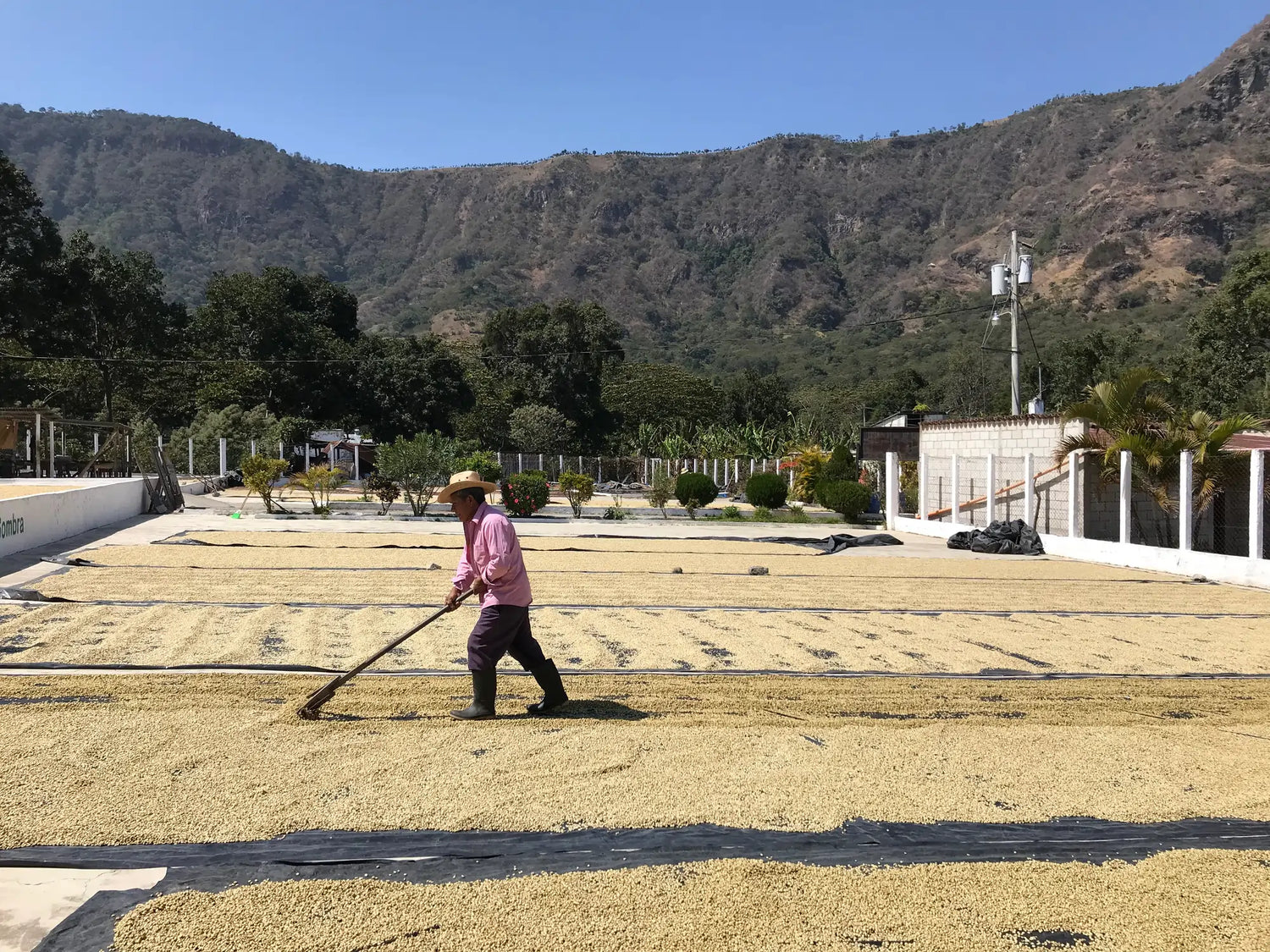
In this series on coffee-growing countries, we dedicate ourselves to the various national varieties, traditional and modern post-harvest processes, the characteristic flavor profiles of the regions, the prevailing weather, or even the typicality of the soil. We look at the stock exchanges in New York and London, compare prices from recent years, and put coffee sales in relation to the gross domestic product.
History of coffee
And so, we do not want to forget the history of coffee. Because politically, economically, and in terms of taste, our favorite pick-me-up has been on a rollercoaster ride. For example, in the 18th century, moral mandates repeatedly aimed to ban this exotic, energizing (or energy-depleting?) hot beverage – albeit unsuccessfully. Coffee is deeply rooted in colonial history, with many dark and dubious stories from the past – as well as from the present. Post-colonialism is also something that concerns us.
Who is behind the coffee?
Last but not least, we dedicate ourselves to influential personalities who have promoted coffee in their country, did pioneering work, and still do today, standing up for coffee and its culture. Companies that don't just talk about a better future, but also create a better future with their values and thanks to their actions.
Because coffee is not just a pick-me-up. Coffee is emotion, hard labor, development policy, passion, taste, vision, climate policy, and much more.


