






Alessandro, filter coffee from Brazil
Alessandro - Filter Coffee from Brazil
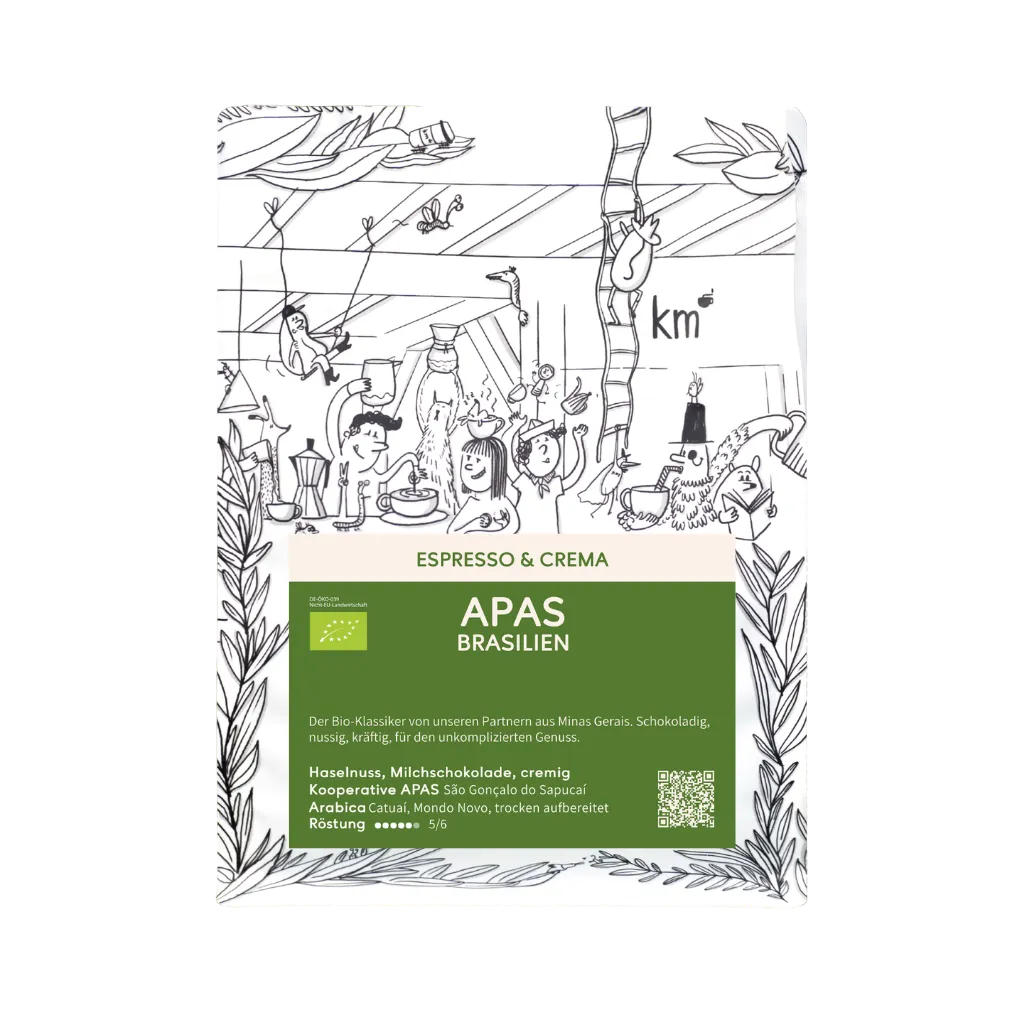
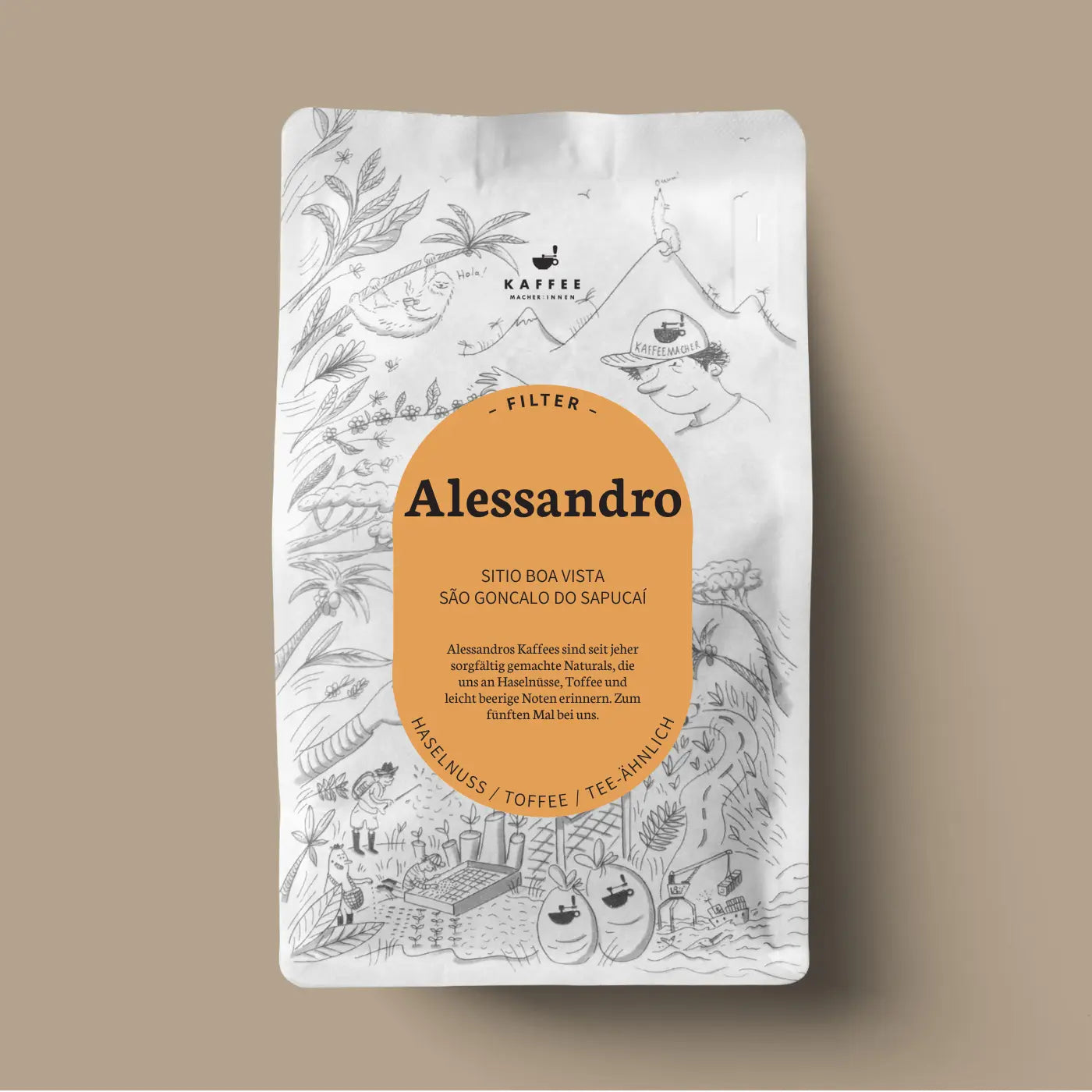
Alessandro's coffees delight us anew every year. The co-founder of the APAS cooperative knows exactly what he's doing. This year too, the harvest from his newest farm, Sitio Grotão, is here. As in previous years, it's a natural with a hazelnut baseline, perfumed with ripe, berry notes and rounded off with a delicate acidity.
Alessandro - Coffee Info
Roasted for: all common filter methods such as: hand filter, AeroPress, French Press and cold brew.
Origin: Brazil, São Gonçalo do Sapucaí, Sitio Grotão
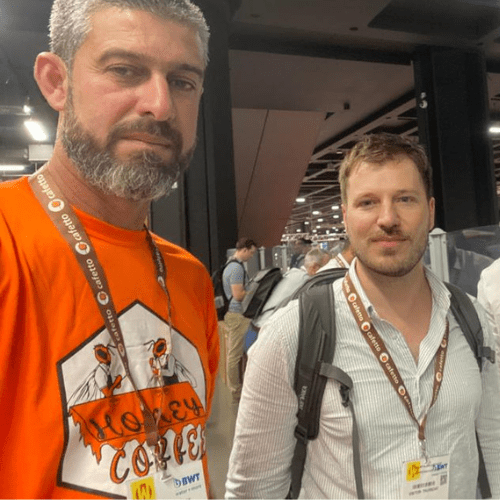
Producer: Alessandro Hervaz, member of the APAS cooperative
Varieties: Bourbon Amarelho, 100% Arabica
Post-harvest process: Natural, drying in the coffee cherry
All our coffees are sold as whole beans.
Brewing recommendation for Alessandro by David: Hario V60
| Coffee amount | 15 grams |
| Total water amount |
250 grams |
| Grind size | 5.2.0 |
| Age of roast | 10 days |
| Water temperature |
91 degrees |
| Blooming |
50 grams (30 seconds) |
| Brewing time |
2:20 |
| Pours |
5 pours (incl. blooming) to 50g, to 100g, to 150g, to 200g, to 250g |
David used the following equipment to develop the recipe:
Water: Total hardness 3 °dH , alkalinity 1.5 °dH (more on the topic coffee water)
Grinder: Kinu M47 Classic
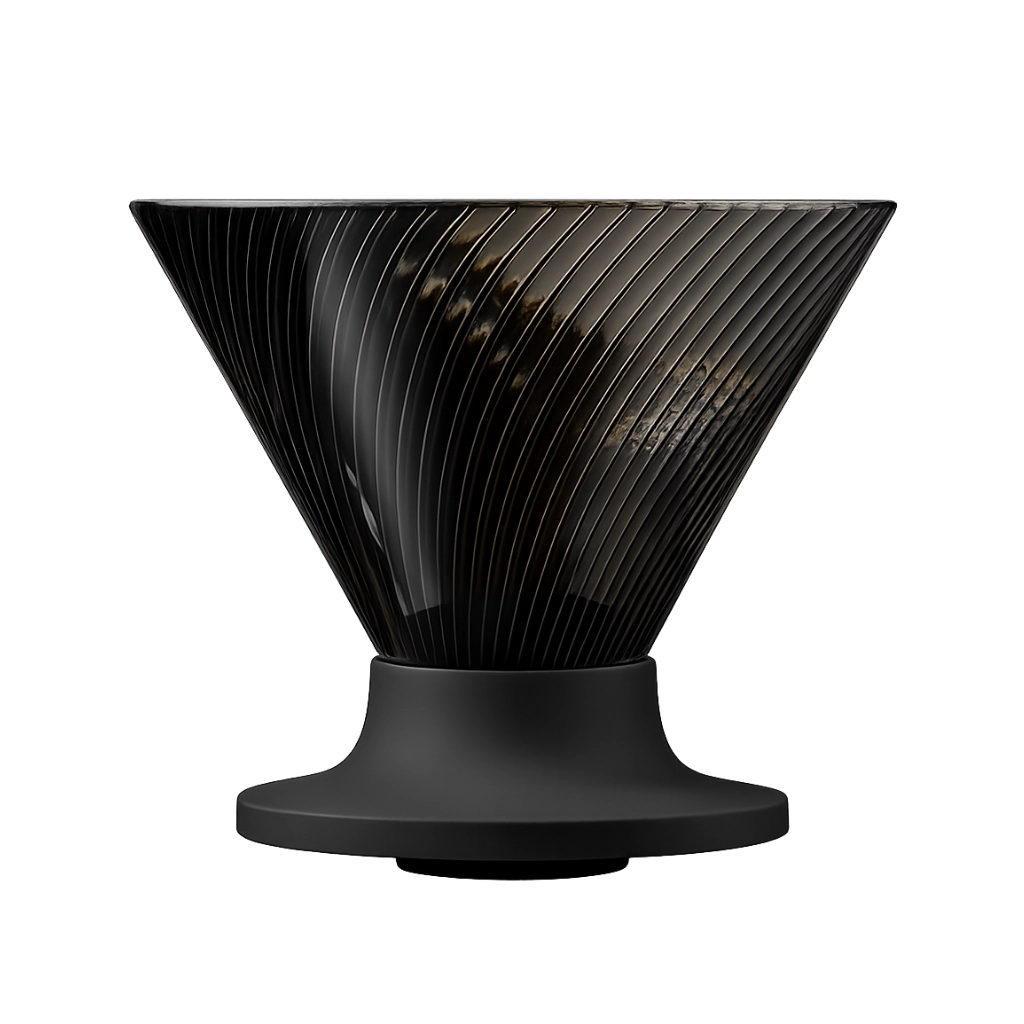
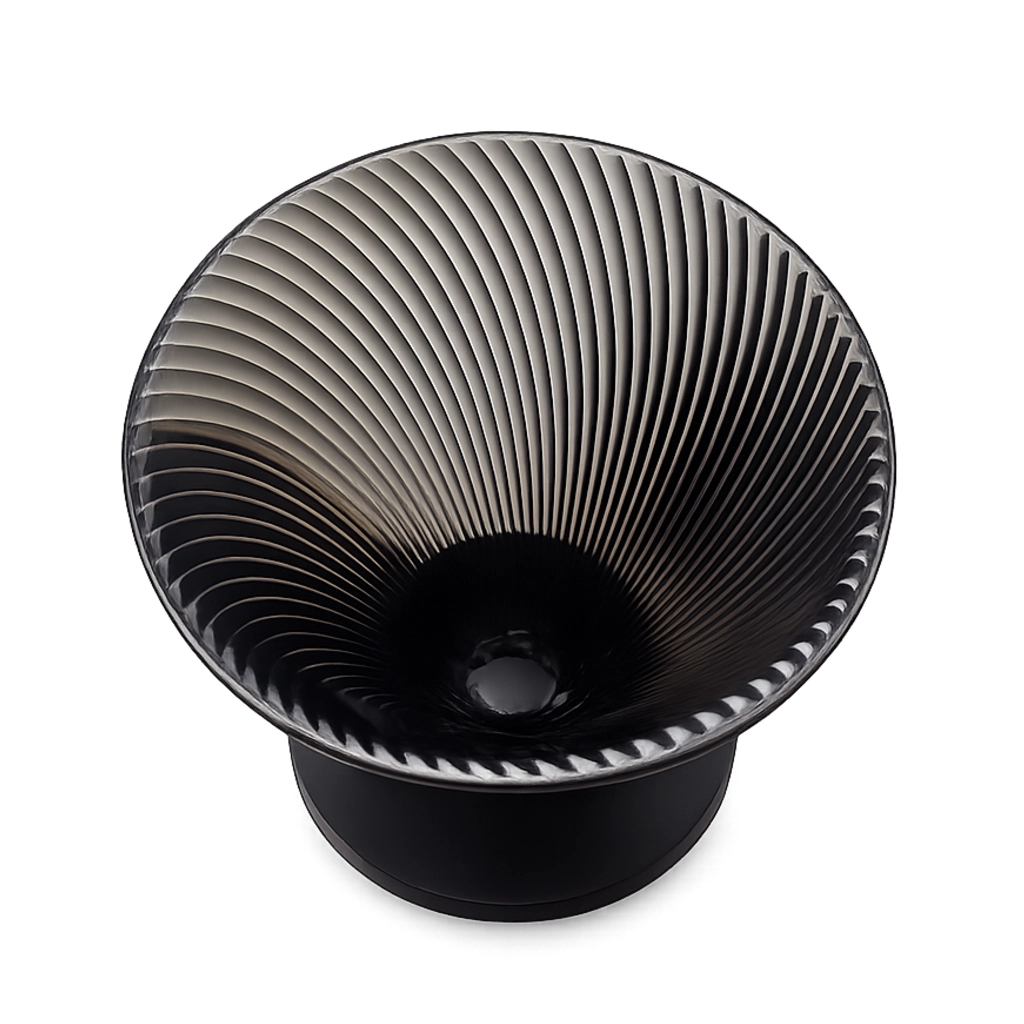
Dripper: Hario V60 Glass filter 02
Filter paper: Hario V60 paper
Tell me more about Alessandro's work
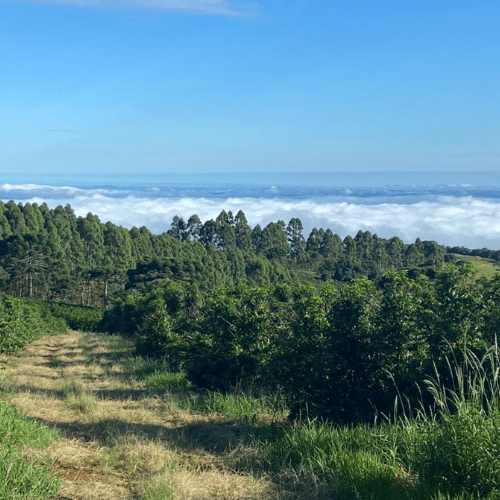
Sitio Grotão is Alessandro's newest farm and one of Brazil's highest. At up to 1520m above sea level, the coffee grows in a very cool climate and develops more acidity through slow ripening. We experience this as a delicate, fresh acidity that integrates well into the overall impression. The natural process creates mild, slightly fruity (red berries, plums) notes, while the classic hazelnut base note runs through from hot to cold. Alessandro says that he himself is a "student of coffee" - he is focused on precise processing steps and we can taste that in this coffee. Everything is where it belongs. The balance between nuttiness, fruit notes and acidity is a highlight in our portfolio every year.
Why does the coffee taste the way it does?
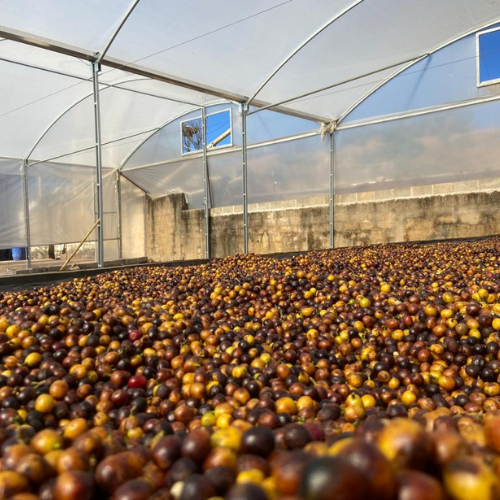
Alessandro applies the same post-harvest process to all his farms. This provides an interesting comparability between the individual microlots. After harvest, Alessandro washes all intact cherries, with unripe and overripe ones floating to the top. He can remove these and pile only the uniformly ripe cherries in a handheld layer in a covered solar tent in a pyramid shape and ferment them. The temperature rises in this pile of cherries and intensifies the fermentation. After 5 to 7 days, he spreads the cherries in hand-width layers and dries them down this way. The fermentation brings the fruity notes into the coffee, the slow ripening due to the altitude brings the delicate acidity, and the variety brings the well-known nuttiness.
How do we roast these coffees?
We roast the coffee as a 12.5kg batch in a 30kg Giesen roaster. With a roasting time of 10 minutes, the coffee is one of our longer filter roasts. The development time of 40 seconds is relatively short - after the first crack, we quickly push the bean temperature further up and interrupt the roast in the middle of the 1st crack at a slightly higher final temperature.
3 Cold Brew Recipes - Cold Coffee, Really Delicious

Guaranteed origin
We know exactly where our coffee comes from and when and where it was roasted.

Personal advice
We are here to help you with any questions or problems.

Fast shipping
Delivery from Germany or Switzerland

Free shipping in DE from €75